
Arab customs and traditions are very important to the Arab culture. Arabs have a great respect for their elders and they are very hospitable. Family is also a top priority for Arabs and they usually make decisions as a family.
Hospitality
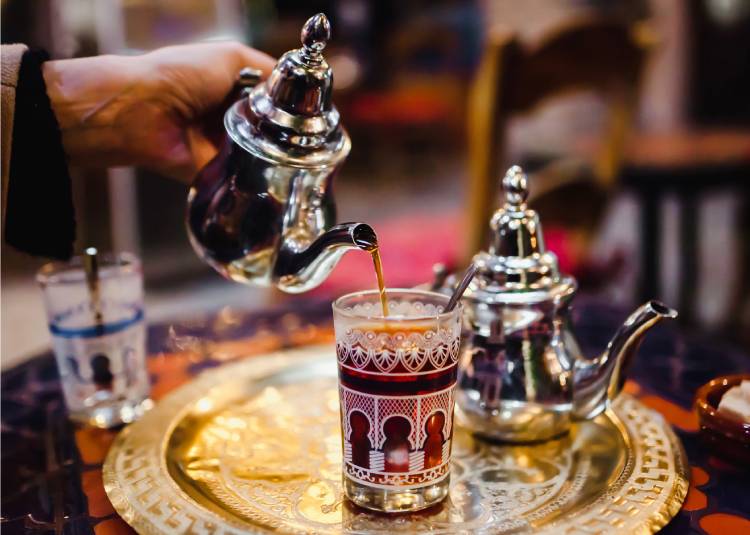
In the Middle East, hospitality is a ritual. Arabs are known for their generosity and hospitality, which is rooted in the tribal system whereby honour is gained by treating guests well. Bedouin and Arabic people offer hospitality in different ways. They offer their accommodation (desert tents when speaking of the Bedouin), drinks and food to guests as a sign of warmth and welcome.
The warmth of the Arabian hospitality therefore works to completely eradicate all feelings of discomfort as the hosts always ensure that their guests are well taken care of. Hospitality, friendliness, and generosity to strangers is an expression of sacred duties.
The importance of family
Arab culture traditionally places a great emphasis on the extended family and community. In many Arab countries, families maintain strong connections to their tribal or clan roots. Family loyalty is very important,
and individuals often sacrifice their own needs in order to maintain cohesion within the family unit. The family is also the primary source of security and identity for Arabs. All of these traditional relationships, traditions, and customs are what give Middle Eastern families their strength.
Religion
Most Arabs believe that most of life's events are controlled and orchestrated by God. As a result, man is dependent on the fate as determined by God and is expected to follow Arabic traditions, culture and customs. However, the Arab world is very diverse, with many different religions and customs.
The biggest influence on modern Arab values is Islam. Given this divine influence, Arab women are not much interested in the afterlife. It must be emphasized that there is no “one” Arab culture or society. Religion does play a role in Arab politics in many countries, but the traditionalist view of Arab culture and heritage is static.
Language
Arabic is one of the most widely-spoken languages in the world, with approximately 290 million native speakers and 132 million non-native speakers. It is the language of Islam because the Quran and the Hadith were written in Arabic. Arab culture values tradition and strength. You can see that in the language to some extent, where the Classical Arabic has been maintained over time.
Spoken Arabic is when everything gets a little tricky as each region in the Arab world has their own dialect and accent of saying things. However, an emphasis on maintaining Arabic in the household is strong with first generation Arab Americans and new immigrants.
Music and dance
Arabic music and dance has always been an important part of the culture. For centuries, music and dance have been used to express joy, sorrow, and triumph. Arabs have a rich history of music and dance that is still evident today. Music and dance are still popular among expatriate Arabs and Saudis alike. The diverse range of Arab dances found in Saudi Arabia is a testament to the importance of these cultural traditions.
Comments
Post a Comment