
Sudanese culture is rich in customs and traditions. From everyday meals to formal socializing, such as a wedding, food plays an important role in Sudanese culture. At the Eid al-Adha, the Feast of the Great Sacrifice, it is customary to kill a sheep and give part of the meat to the poor.
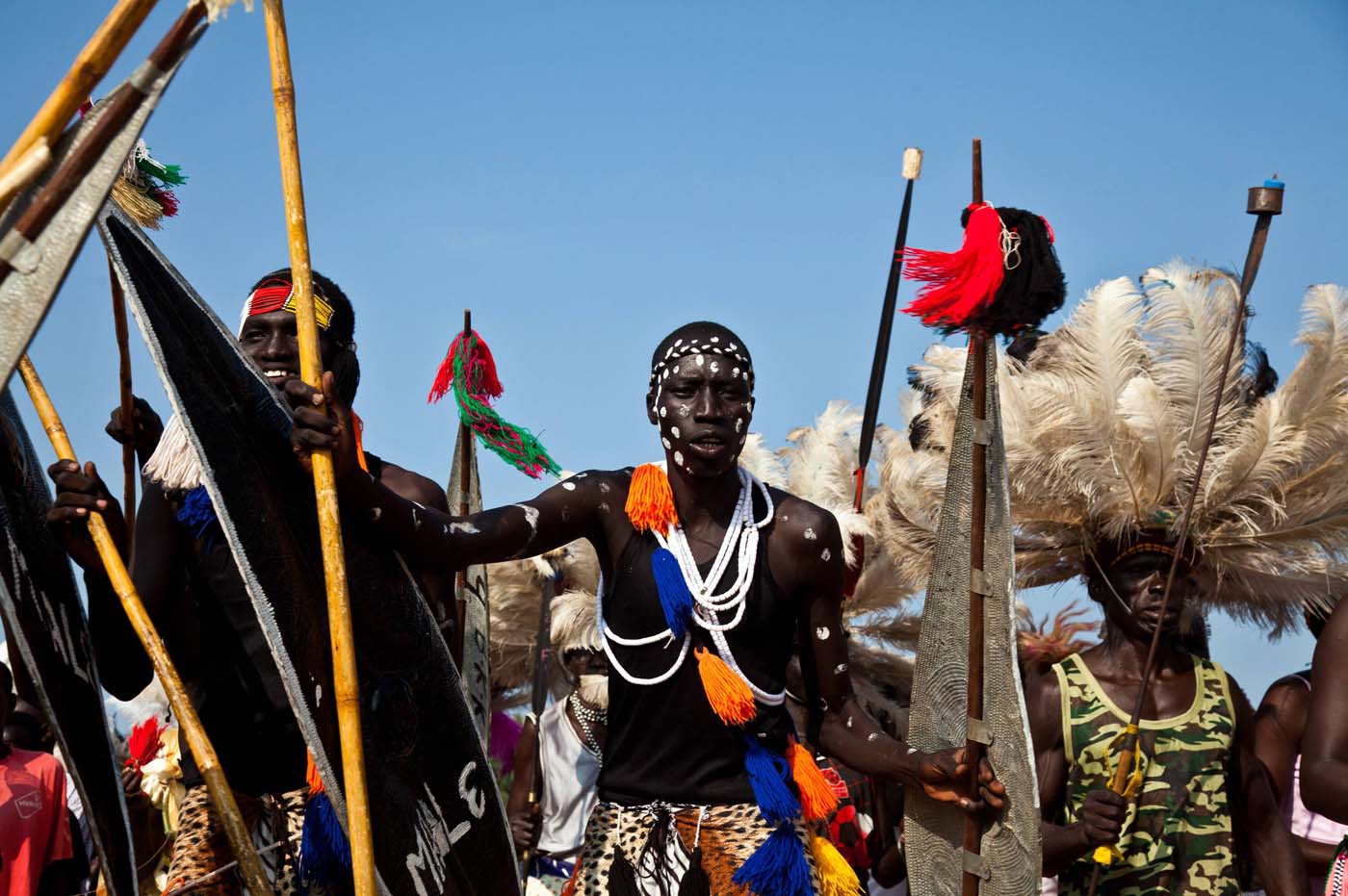
This act of generosity is just one example of the Sudanese people's hospitable nature. Most Sudanese families hold strong traditional values in a rapidly changing world.
Girls and women are expected to dress and behave modestly according to Islam. They must be escorted when they leave the house and are not allowed to mix with unrelated men. While these customs may seem restrictive to some, they are an important part of Sudanese culture.
The Humr Baqqārah and Fur peoples adhere to Islamic beliefs and practices which came to them through Arab influence. However, traditional local practices still coexist alongside Islam. For example, some tribes
The Meaning of Tradition
Sudanese tradition is very important to the Sudanese people. It is a way of life that is passed down from generation to generation. Sudanese tradition includes many things such as the way they dress, the food they eat, the way they behave, and the way they worship. Sudanese tradition is also very important to the Sudanese economy. The Sudanese people are very proud of their culture and traditions.
The Role of Tradition
Customs and traditions play an important role in Sudanese culture. The family unit is highly valued and includes mother, father, wife, children, brothers, sisters, and extended family. Children are raised with distinct gender roles. Girls learn about home and family while boys are taught about the world outside the home.
There are many herbal and 'traditional' remedies used by the Sudanese people for various ailments. Food is an important part of Sudanese culture with two meals a day being the norm.
The Significance of Customs and Traditions
The customs and traditions of a country are significant because they memorialize the heritage and culture of that country. It is important to know where you came from and to keep your customs and traditions alive. Many customs and traditions are attached to the liturgical year and spring from it.
These, like the liturgical year itself, have the power to connect us intimately with our community laws, rules, principles, and policies. Cultural practices are great sources of identity, telling the story of where we came from and reminding us of our shared values. Traditions provide us with numerous benefits; they give us a sense of belonging and meaning in our lives. We intentionally create and continue traditions because they are an essential part of who we are.
Customs and Traditions in Sudanese Society
Sudanese culture is rich and diverse, with many customs and traditions that are an important part of society. One of the most important aspects of Sudanese culture is the hospitality and generosity of the people. Guests are always welcomed warmly into Sudanese homes, and families go out of their way to make sure they are comfortable and well-fed.
Another important aspect of Sudanese culture is the importance of family values. In a rapidly changing world, Sudanese families hold onto their traditional values and beliefs. From everyday meals to formal social gatherings like weddings, traditional customs are an important part of Sudanese culture.
Comments
Post a Comment