
Japanese customs and traditions are very unique and interesting. For example, when greeting someone, it is customary to bow. Bowing can range from a small nod of the head to a deep bend at the waist.
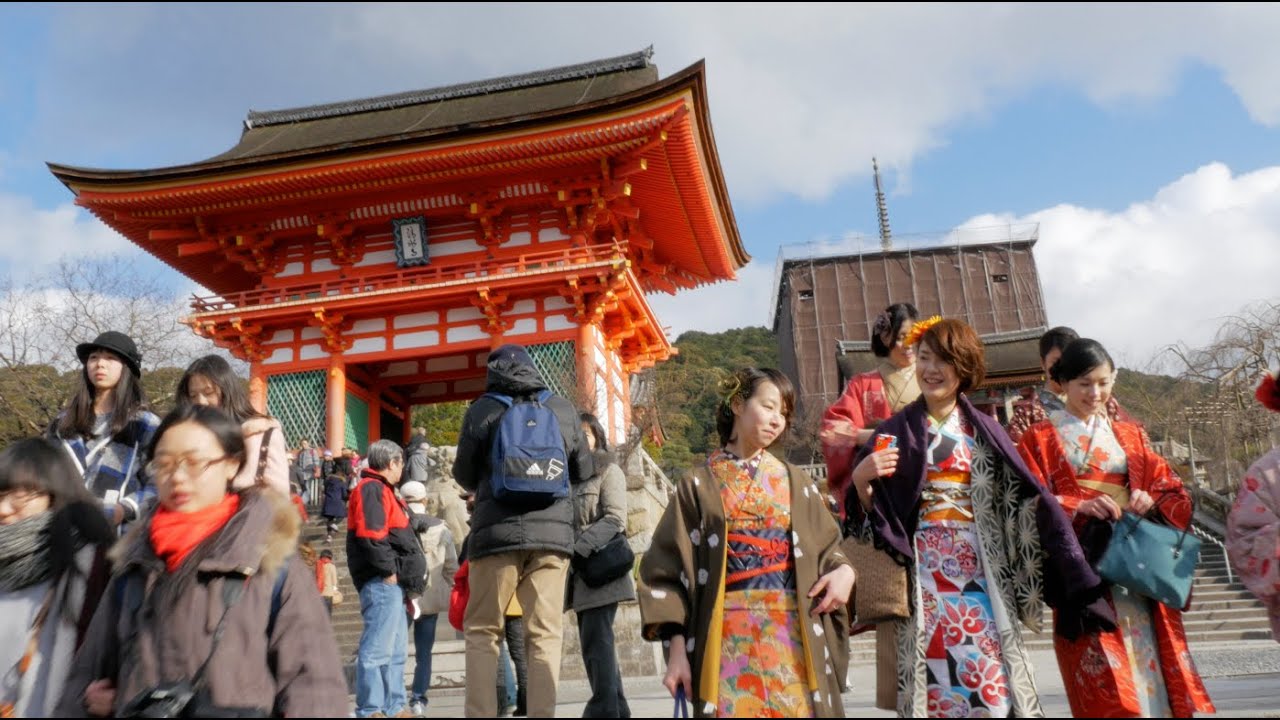
Another Japanese tradition that is extremely prevalent throughout the culture is gift giving. When meeting with business associates or arriving at someone's house, it is customary to bring a small gift. These are just two of the many customs and traditions that make up the rich culture of Japan.
1. Introduction
Japanese culture is fascinating and unique in many ways. From the traditional customs of bowing and gift-giving, to the intricate table manners and shoes, there are so many interesting aspects to learn about. Japanese culture also has a rich history and is filled with fascinating temples and castles. Not to mention, the traditional craftsmanship is simply amazing.
Despite all of these wonderful aspects, one of the most appealing things about Japanese culture is its focus on social groups and place of birth. This sense of identity is something that is very important to the people of Japan. Additionally, the polite and humble nature of the people is another wonderful aspect of Japanese culture.
Overall, Japanese culture is truly fascinating and offers something unique for everyone. Whether you are interested in learning about the customs and traditions, or simply want to enjoy the beautiful scenery, Japan has something to offer for everyone.
2. The history of Japanese customs and traditions
Japan has a rich and diverse history when it comes to customs and traditions. From ancient times, the Japanese people have had a religious culture based on polytheism, which has led to the worship of nature or spirits. In more recent history, Buddhism was introduced to Japan in the 6th century and has since become one of the country's major religions.
Japan is also famous for its unique culture and its many historical traditions. One of these traditions is the removal of shoes when entering a home or sacred space. This tradition is based on the belief that shoes are dirty and should not be brought into a clean space. Another popular Japanese tradition is gift-giving.
This custom is based on the idea that it is better to give than to receive, and gifts are often given as a way to show appreciation or gratitude. Finally, table manners are an important part of Japanese culture. For example, it is considered rude to eat while walking or talking, and food should be eaten with chopsticks in a slow
3. The importance of family in Japanese culture
Family is a foundational part of Japanese society. An individual's identity, reputation, obligations and responsibilities are deeply connected to their family. Gain an understanding of a country's culture by exploring three models of Japanese family life and its transformation over the past.
The traditional family unit in Japan consists of a mother, father, and their children. This type of family group is called Kazoku. Traditionally, the head of the household was the father, who had complete authority over the family. The father was responsible for providing for the family and making all important decisions. The mother's role was to take care of the home and raise the children.
The process of Japanese modernization has been influenced by three major foreign cultures: Oriental culture, Korean culture, and Western culture. These influences have transformed the traditional Japanese family into a more modern nuclear family structure. In the modern Japanese family, the husband and wife share equally in decision-making and child-rearing responsibilities.
4. The role of religion in Japanese society
It is often said that religion plays a minor role in Japanese society, but this is not really accurate. Religion has always been a part of Japanese culture, and it continues to be an important part of many people's lives.
While some people may not subscribe to any particular faith, the influence of religion can be seen in many aspects of life in Japan. From the Shinto shrines and Buddhist temples that dot the landscape, to the way that religious traditions are still observed in festivals and other celebrations, religion is very much a part of Japanese society.
5. The concept of honor in Japan
The concept of honor has been developed over several centuries in Japan and has become a central tenant of the Bushido code. Honor is something that is to be highly valued in Japanese culture, and is still evident in many aspects of modern Japanese society. The strong sense of honor, discipline, loyalty, and devotion that was instilled in the samurai code of Bushido has made Japan into a country that is highly respected by many.
Comments
Post a Comment