
Digital currencies are electronic formats of currencies that do not exist in physical form. They can lower transaction processing costs and enable seamless digital payments. Cryptocurrencies are digital tokens that are a type of digital currency that allows people to make payments directly to each other through an online ledger using blockchain technology.
Central bank digital currency (CBDC) is money that a central bank, like the Bank of England, can produce. It's called digital (or virtual) because it exists only as computer code and isn't backed by physical assets like gold or silver.
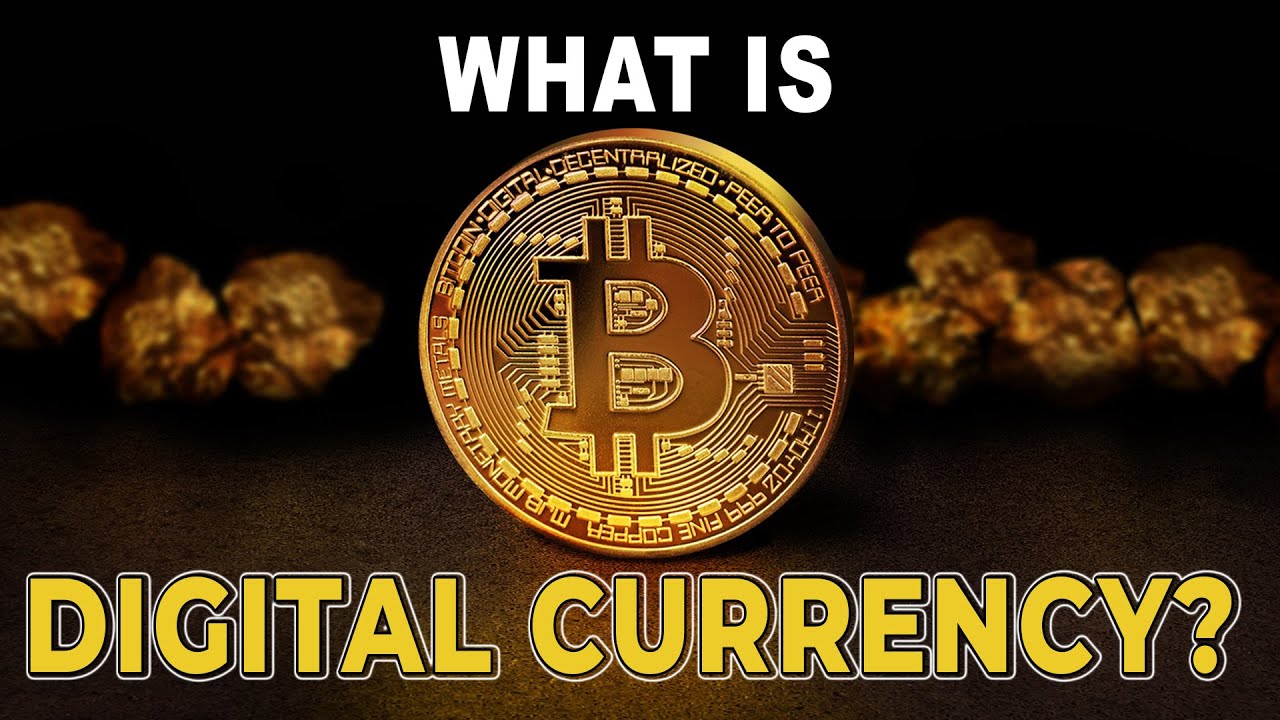
Bitcoin
Digital currencies are a type of money that can be used to make payments directly between people. Bitcoin is a digital currency that was developed as a way to allow payments without the need for a central authority. Cryptocurrencies are a type of digital currency that uses cryptography to secure transactions.
Ethereum
What are digital currencies? Ethereum is a digital currency that uses cryptography to secure transactions. It is one of many cryptocurrencies that can be traded using the Ethereum platform. Cryptocurrency is a digital currency using cryptography to secure transactions.
Learn about buying cryptocurrency and cryptocurrency scams to look out for. Cryptocurrencies are digital tokens that allow people to make payments directly to each other through an online medium. Ethereum is one kind of digital currency or cryptocurrency, a medium of exchange that exists exclusively online.
Litecoin
What are digital currencies? Litecoin is one of the oldest cryptocurrencies, which was forked from Bitcoin in 2011. It is a decentralized peer-to-peer cryptocurrency and open-source software project. Litecoin can be bought and sold for other currencies, and it can be used to transfer funds directly between individuals. Litecoin is an open-source cryptocurrency which was created in 2011.
Like Bitcoin, Litecoin is primarily intended to be a digital currency which can be used to purchase goods and services. A range of cryptocurrencies such as Bitcoin, Litecoin, Dogecoin, Libra from Facebook, etc., fall in the category of distributed digital currency (Nian).
Bitcoin Cash
Digital currencies are becoming more and more popular, with Bitcoin Cash being one of the most well-known. Bitcoin Cash enables peer-to-peer payments between individuals - just like cash, but in the digital realm. Critically, fees for sending Bitcoin Cash are typically a fraction of those associated with traditional methods such as credit cards.
This makes Bitcoin Cash an attractive option for those who wish to make digital payments. Additionally, the rise of Bitcoin (BTC) and Ethereum (ETH) has led to increased interest in digital currencies. As society becomes more comfortable with the idea of digital money, it is likely that even more people will begin using Bitcoin Cash and other digital currencies.
Ripple
Digital currencies are electronic tokens that can be used to purchase goods and services. Ripple is a blockchain-based digital payment network and protocol with its own cryptocurrency called XRP. Lumen is the digital currency of the Stellar network. Fast and green, the digital asset XRP was built to be the most practical cryptocurrency for applications across the financial services industry.
You can buy XRP as an investment, as a crypto to exchange for other cryptocurrencies or as a way to finance transactions on the Ripple network. XRP is the native cryptocurrency on the Ripple network, and it consistently lists among the top 10 cryptocurrencies by market capitalization.
Monero
What are digital currencies?
Digital currencies are electronic alternatives to traditional fiat currencies. Like fiat currencies, they can be used to purchase goods and services. However, digital currencies differ from fiat currencies in a few key ways.
First, digital currencies are decentralized, meaning they are not subject to government or financial institution control. Second, digital currencies often offer anonymity and privacy features that traditional fiat currencies do not. Finally, digital currencies are often designed to be more efficient and cheaper to use than traditional fiat currency systems.
Monero is one of the leading digital currency projects with a focus on private and censorship-resistant transactions. Monero uses a public blockchain to record transactions but employs privacy-enhancing technologies that obfuscate the identities of the sender and receiver as well as the amount being sent. This makes Monero an attractive choice for users who value privacy and security.
Comments
Post a Comment